

Boost Gut Health for Better Nutrient Absorption
You might not think about it every day, but your gut health is key to staying healthy. It’s vital for getting the nutrients from food. Our digestive system needs to work well so our bodies can use the food we eat. The small intestine is long, at 6 meters, and has a big surface area for taking in nutrients. This lets our body get energy and stay healthy1. Also, the large intestine’s job of keeping water and salt balances is critical for good digestion1. Keeping your gut in good shape helps your whole body stay strong and fights off sickness.
Key Takeaways
- Optimal gut health is quintessential for the absorption and full utilization of nutrients from the foods we eat.
- The small intestine’s impressive length and surface area are responsible for the majority of nutrient absorption1.
- Hydration and electrolyte balance are largely dependent on the function of the large intestine1.
- Common signs of gut malabsorption such as bloating and abdominal pain could indicate larger issues with gut health1.
- Focusing on gut wellness can improve overall vitality and protect against various health conditions.
- Maximizing nutrient absorption is as much about a healthy gut as it is about the food choices you make.

Understanding the Gut Microbiome’s Role in Nutrient Absorption
The gut microbiome is key to our health. It helps us take in nutrients that keep us well. Exploring how our digestive system works shows its effect on both our physical and mental health.
What is the Gut Microbiome?
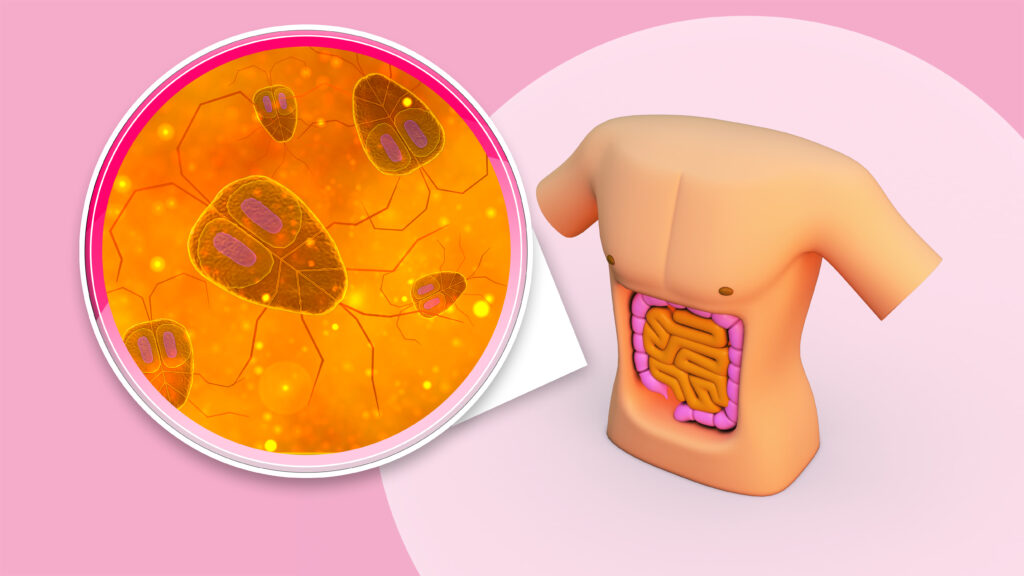
The gut microbiome contains a lot of different microorganisms. This includes bacteria, fungi, and viruses. Bacteria are the most common. We have over 100 trillion microorganisms in our gut2. That’s more than 10 times the number of cells we have. These microbes affect many things in our body, like how we digest food and even our mood.
Impact of the Gut Microbiome on Digestive Health
For good digestion, we need a balanced gut microbiome. When the gut doesn’t work right, it can hurt how we use nutrients3. The gut barrier must also work well to stop bad substances from getting into our blood3.
Link Between Gut Bacteria Diversity and Nutrient Assimilation
Having many kinds of gut bacteria is good for us. Those with more diverse gut bacteria are healthier4. These microbes help break down food so we can absorb nutrients. This keeps our gut healthy4.
Our gut microbiome also protects us from diseases. Certain bacteria make compounds that feed colon cells and lower inflammation. This can reduce the chance of getting colorectal cancer2. Some beneficial microbes make vital vitamins like Vitamin K and Biotin. These are important for a healthy gut2.
It’s important to keep our gut microbiome balanced for good health. It not only helps in absorbing nutrients but also supports our immune system. This shows how crucial our gut health is for our overall wellness.
Strategies to Enhance Gut Health and Assimilation of Nutrients
Want to feel better overall? Improve your gut health and how your body uses nutrients. By making changes in what you eat and how you live, your digestive system can work better. Here are some top ways to make that happen.
Incorporating Prebiotics and Probiotics into Your Diet
Adding more prebiotics and probiotics to your meals can really boost your gut health. Eat prebiotic-rich foods like bananas and whole grains to feed the good bacteria in your belly5. Eat probiotic foods like yogurt and sauerkraut too. They add more good bacteria to help keep your gut balanced and help you absorb nutrients better6.
The Importance of Dietary Fiber for a Healthy Digestion
Dietary fiber plays a huge role in keeping your digestion on track and can help prevent serious health issues5. Add foods rich in fiber like fruits, veggies, and legumes to your diet. They’re great for your gut and help you get the most from your food. Including foods with resistant starches is also a good move. They help produce useful acids that boost gut health5.

Choosing Foods Rich in Polyphenols and Collagen for Gut Wellness
For a happy gut, eat foods packed with polyphenols and collagen. Polyphenols, found in bright fruits and veggies, lower inflammation and protect your gut5. Foods with collagen, like bone broth and berries, keep your gut lining strong. This means you’ll absorb nutrients better.
Hydration and Its Effect on the Gastrointestinal Health
Drinking enough water is key for your gut health and making sure your body uses nutrients well. It keeps the inside of your gut healthy and ensures digestion and nutrient transport are smooth6. It also helps avoid dehydration which can make absorbing nutrients harder6.
| Nutrient | Impact of Hydration | Food Sources |
|---|---|---|
| Vitamin C | Enhances iron absorption, requires sufficient hydration for transport | Citrus fruits, bell peppers |
| Iron | Proper hydration aids in preventing non-heme iron malabsorption | Legumes, spinach |
| Fiber | Needs adequate water to prevent digestive discomfort | Whole grains, broccoli |
Identifying and Addressing Gut Health Disruptions
When your gut starts acting up, it’s key to pay attention. Signs like bloating, unexpected weight changes, and not digesting food well can show up7. Things like bloating, weird poop schedules, and getting upset by certain foods are clues. Catching these early signs can help you tackle the issue quickly.
How Gut Health Influences Weight and Sleep Patterns
Your gut plays a big role in your overall health, affecting your weight and sleep. If your gut bacteria are out of balance, you might gain weight or have trouble sleeping78. Eating right and living a healthy lifestyle can keep your gut happy. This, in turn, helps you maintain a good weight and sleep better.
Connection Between Gut Health and Skin Irripation
Your gut health and skin condition are closely linked, though it might not seem obvious. Problems like eczema and acne can actually point to gut issues87. Feeding your gut healthy foods and probiotics can clear your skin and soothe irritation.
Tests to Diagnose Nutrient Malabsorption
If gut problems don’t go away, getting tested can help find the cause. Doctors may suggest tests like stool analysis to figure out the problem9. Test results can show how well your gut absorbs nutrients. This guides you on what food and lifestyle changes to make for a healthier gut.
FAQ
How can I boost my gut health to improve nutrient absorption?
What is the Gut Microbiome?
How does the gut microbiome impact digestive health?
What is the link between gut bacteria diversity and nutrient assimilation?
How do prebiotics and probiotics affect gut health?
Q: Why is it important to consume foods rich in polyphenols and collagen for gut wellness?
Q: How does hydration impact gastrointestinal health?
Q: What are common signs of an unhealthy gut?
Q: How does gut health influence weight and sleep patterns?
Q: Can gut health lead to skin irritation?
Q: What types of tests can diagnose nutrient malabsorption?
Source Links
- https://russellhavranekmd.com/boost-your-nutrient-absorption/ – How to Boost Your Nutrient Absorption
- https://www.mdpi.com/2072-6643/7/1/17 – The Impact of Diet and Lifestyle on Gut Microbiota and Human Health
- https://gut.bmj.com/content/70/8/1580 – Understanding the role of the gut in undernutrition: what can technology tell us?
- https://www.mdpi.com/1422-0067/25/10/5561 – Unraveling the Microbiome–Human Body Axis: A Comprehensive Examination of Therapeutic Strategies, Interactions and Implications
- https://www.ncbi.nlm.nih.gov/pmc/articles/PMC4303825/ – The Impact of Diet and Lifestyle on Gut Microbiota and Human Health
- https://ymcaharrisburg.org/ways-increase-nutrient-absorption/ – Recipes And Tips To Increase Nutrient Absorption | Harrisburg Area YMCA
- https://www.ncbi.nlm.nih.gov/pmc/articles/PMC5847071/ – Gut microbiota functions: metabolism of nutrients and other food components
- https://mygutfeelings.com/blog/revolutionize-your-well-being-addressing-chronic-gut-issues/ – Revolutionize Your Well-being: Addressing Chronic Gut Issues | Gut Feelings Psychiatry by Dr. Mike | Gut Feelings Psychosomatic Medicine
- https://www.ncbi.nlm.nih.gov/pmc/articles/PMC9455721/ – Influence of Foods and Nutrition on the Gut Microbiome and Implications for Intestinal Health