

PCOS Morning Routine: Start Your Day Right
Are you ready to change your PCOS journey? What if a morning routine could help balance your hormones and improve your health?
Living with PCOS doesn’t mean you have to give up. A good morning routine can make a big difference in managing symptoms and improving health1. By adding healthy habits, you can start your day right and feel better all day1.

Studies show that 90% of successful people owe it to their morning routines1. For those with PCOS, this is even more important. Your morning can be a chance to support your body, reduce stress, and build lasting wellness practices2.
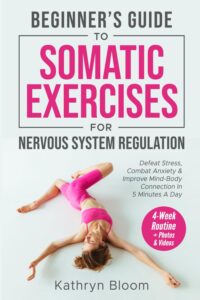
Beginner’s Guide to Somatic Exercises for Nervous System Regulation: Defeat Stress, Combat Anxiety & Improve Mind-Body Connection in 5 Minutes a Day[/caption]
Key Takeaways
- Create a personalized morning routine tailored to PCOS management
- Implement hormone-balancing strategies early in the day
- Understand the connection between morning habits and PCOS symptom control
- Develop consistent practices that support metabolic health
- Learn how small morning changes can create significant wellness impacts
Understanding PCOS and the Importance of Morning Habits
Polycystic Ovary Syndrome (PCOS) is a complex hormonal condition affecting millions of women worldwide. It impacts about 8% to 13% of women of reproductive age, causing big challenges for fertility and health3.
At the heart of managing PCOS is understanding insulin resistance. About 70% of women with PCOS have insulin resistance. This can greatly affect their metabolic health and fertility4. It leads to many health problems beyond just fertility issues.
- Insulin resistance can lead to increased risk of type 2 diabetes
- Metabolic imbalances affect hormone production
- Fertility becomes more challenging with unmanaged PCOS symptoms
Creating a strategic morning routine is key for pcos symptom relief. Targeted daily practices can help reset metabolic processes, balance hormones, and improve overall wellness. Studies show that lifestyle changes can improve health markers:
- Potential reduction in body weight by 1.68 kg3
- Improvements in free androgen index
- Potential metabolic system rebalancing
Your morning routine is not just a series of actions, but a powerful tool for managing PCOS and reclaiming your health.
By understanding the links between morning habits, insulin resistance, and health, women with PCOS can find effective ways to manage symptoms. This can lead to a better quality of life.
Morning routine for PCOS girlies
Managing PCOS starts with waking up. Stress reduction and mindfulness are key for your day5. With 1 in 10 women having PCOS, a good morning routine is vital5.
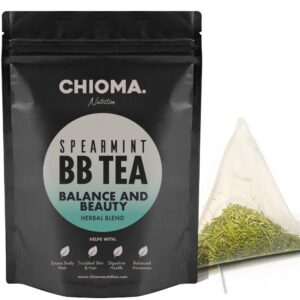
Spearmint BB Tea Bags 14 Tea Bags Original Body Hair Inhibitor Tea | Spearmint + Peony + Licorice + Green Tea | PCOS Hirsutism Tea Anti Androgen
Early Morning Wellness Practices
Begin with natural, healthy products that meet your body’s needs. These practices help balance hormones and lower stress:
- Meditation: 10-15 minutes of mindful breathing
- Gentle yoga stretches
- Herbal tea preparation (spearmint tea can help reduce testosterone levels)5
Adding specific wellness strategies can really help. Here are some evidence-based ones:
| Practice | Benefit |
|---|---|
| Inositol Supplements | Improve insulin and sugar levels5 |
| Probiotic-rich Breakfast | Support gut health with Vegan yogurt |
| Morning Skincare | Address hormonal acne and inflammation6 |
Your morning routine is more than just a habit—it’s a powerful tool for managing PCOS symptoms and supporting your overall health.
Women with PCOS face hormonal imbalances, fatigue, and mood swings5. By using these stress reduction and mindfulness practices, you can make mornings better. This helps tackle these challenges6.

Wild Yam Cream, ANNAS Wild Yam Cream Organic for Hormone Balance, ANNAS Women’s Organic Wild Yam Root Cream Promoting Perimenopause & Menopause Support for All Skin Types
Blood Sugar Balancing Breakfast Essentials
Managing insulin resistance is key for women with PCOS. A smart morning meal can change your health path7. Up to 80% of women with PCOS have insulin resistance, making breakfast a vital part of your health plan7.
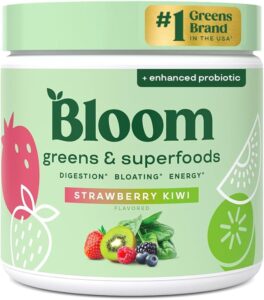
Bloom Nutrition Greens and Superfoods Powder for Digestive Health, Greens Powder, Digestive Enzymes, Probiotics, Spirulina, Chlorella for Bloating & Gut Support, Green Juice, 30 SVG, Strawberry Kiwi
“Your breakfast isn’t just a meal – it’s a metabolic reset button for your day.”
Starting an anti-inflammatory diet means balancing blood sugar. Your morning meal should have protein, healthy fats, and complex carbs.
- Aim for 30 grams of protein per breakfast
- Choose low glycemic index foods
- Include healthy fats like avocado or nuts
- Incorporate fiber-rich vegetables
Skipping breakfast can raise cortisol levels and make insulin resistance worse. Eating breakfast regularly helps keep blood sugar stable, reduces cravings, and boosts metabolic health.
| Food Category | Recommended Options | Blood Sugar Impact |
|---|---|---|
| Proteins | Avocados, Vegan yogurt, Tofu | Stabilizes glucose levels |
| Healthy Fats | Avocado, chia seeds, nuts | Slows sugar absorption |
| Complex Carbs | Quinoa, sweet potatoes, berries | Provides sustained energy |
By adopting these habits, you’ll turn your morning into a strong tool against PCOS symptoms. Remember, consistency is key in your journey to balanced hormonal health.
Movement and Exercise Strategy
Living with PCOS means finding the right exercise plan. It’s not just about staying fit. It’s about improving your health and managing symptoms.
Women with PCOS can greatly benefit from specific exercise plans. Studies show that different workouts can help manage symptoms well:
- Steady-state cardiovascular workouts
- High-intensity interval training (HIIT)
- Resistance training
- Mind-body exercises
Personalized Morning Exercise Options
The Androgen Excess and PCOS Society suggests at least 30 minutes of activity daily. Creating a personalized exercise plan can offer great tips for managing PCOS symptoms:
| Exercise Type | Benefits for PCOS | Recommended Frequency |
|---|---|---|
| HIIT | Improves insulin sensitivity | 3-4 times per week |
| Resistance Training | Reduces testosterone levels | 2-3 times per week |
| Cardiovascular Exercise | Manages weight and metabolism | 30 minutes daily |
For the best results, stick to enjoyable, long-term healthy habits10. Pay attention to your body and slowly increase the intensity. This helps avoid overdoing it and upsetting your hormones.
Remember, the key is finding exercise that feels good and supports your unique PCOS journey.
Supplement and Medication Timing
Managing PCOS needs a smart plan using natural products for hormone balance and symptom relief. Knowing when and how to take supplements can greatly improve your health.
Key supplements for PCOS symptom relief include:
- Vitamin D: It’s vital for metabolic health. 42% of Americans lack vitamin D11. Women may see better menstrual cycles after three months of taking it11.
- Inositol: It helps balance hormones and may take about six months to fully work on androgen levels11.
- Omega-3 Fatty Acids: They reduce inflammation and boost health.

Sports Research® Vitamin D & K Complex with Coconut MCT Oil | Vegan D3 5000 IU with K2 100 mcg for Healthy Muscle Function & Immune Support
For best absorption, follow these timing tips:
- Take fat-soluble vitamins (D, omega-3) with meals
- Spread out your supplements throughout the day
- Get advice from healthcare providers for what’s best for you
Getting the timing right can make a big difference in managing PCOS symptoms naturally.
Berberine is a promising supplement. It might lower insulin levels and boost ovulation by 25% after four months.
While supplements are helpful, they’re most effective when part of a full PCOS management plan. This includes diet, exercise, and medical advice.
Stress Management and Mindfulness Practices
Women with PCOS face unique challenges in managing stress. This stress can greatly affect their health. Studies show that PCOS patients often feel more anxious and depressed. Using stress reduction techniques and mindfulness can help ease PCOS symptoms.
Starting your day with a focus on mental wellness can change how you manage PCOS. Here are some effective mindfulness practices to try:
- Guided meditation
- Deep breathing exercises
- Gentle yoga stretches
- Journaling
Morning Relaxation Techniques
Exercise is key in managing stress for women with PCOS. Activities like yoga and walking can boost mood by releasing happy hormones. Mindfulness practices can directly impact hormone balance and emotional well-being.
| Mindfulness Technique | Duration | Benefit |
|---|---|---|
| Meditation | 10-15 minutes | Reduces stress hormones |
| Deep Breathing | 5-7 minutes | Lowers anxiety levels |
| Gentle Yoga | 20 minutes | Improves mind-body connection |
Mindfulness is not about perfection, but about creating a moment of calm in your daily journey.
Consistency is crucial in stress reduction. Begin with short, easy practices and grow your routine. By focusing on your mental health, you can better manage PCOS symptoms and enhance your life quality.
Conclusion
Your morning routine is key for hormone balance and health, especially for PCOS girlies. PCOS affects 5%–10% of women in their reproductive years. By sticking to healthy habits, you can change your day and control symptoms.
Creating a morning routine is more than just doing things. It’s about living a lifestyle that supports your body. People with PCOS are at higher risk for diabetes, high blood pressure, and heart disease. It’s important to focus on metabolic health, stress, and nutrition.
Every morning is a chance to care for your body. Eating right and moving mindfully can help with PCOS symptoms. Remember, up to 75 percent of PCOS cases go undiagnosed. So, being proactive with your health is vital.
By following these healthy habits, you’re not just dealing with PCOS. You’re taking charge of your health. Your morning routine shows your strength, resilience, and commitment to a fulfilling life with PCOS.