

Psoriasis Flare Ups: A Gut Issue | Skin Health
Did you know 1 in 10 women with psoriasis also have an inflammatory bowel disease (IBD)1? This shows how closely our gut health is tied to our skin. Research has found a strong link between gut health and psoriasis, showing how important our digestive system is in fighting this chronic skin disorder.
Those with psoriasis are 2.5 times more likely to get Crohn’s disease and 1.6 times more likely to get ulcerative colitis (UC)1. They also have almost a 3 times higher chance of getting celiac disease, with about 4 out of every 100 people with psoriasis having it1. These facts suggest that a healthy gut might be the secret to stopping and managing psoriasis flare-ups.
Key Takeaways:
- Psoriasis is closely linked to gut health, with 1 in 10 women with psoriasis developing an inflammatory bowel disease (IBD)1
- People with psoriasis are 2.5 times more likely to get Crohn’s disease and 1.6 times more likely to get ulcerative colitis (UC)1
- Individuals with psoriasis have a nearly 3 times higher chance of developing celiac disease1
- Maintaining a healthy gut microbiome may be key to preventing and managing psoriasis flare-ups
- Addressing gut health issues could be an important part of a comprehensive approach to managing psoriasis
Understanding the Link Between Gut Health and Psoriasis
The Gut-Skin Axis: How Your Digestive System Affects Your Skin
The gut-skin axis links gut health to skin conditions like psoriasis. At its core is the gut microbiome, home to trillions of bacteria, viruses, and fungi. Psoriasis affects millions, causing red, scaly patches on the skin2. These microorganisms are vital for digestion, immune response, and inflammation control.
A healthy gut microbiome keeps the gut lining strong, supports the immune system, and controls inflammation. But for those with psoriasis, the gut microbiome is often out of balance, known as gut dysbiosis. Leaky gut syndrome occurs when substances in the intestines leak into the bloodstream3. This imbalance can weaken the gut barrier, leading to inflammation and psoriasis flare-ups.
| Factors Contributing to Leaky Gut |
|---|
| Stress |
| Certain infections |
| Excessive alcohol consumption |
| High-fat and high-sugar diets |
| Burn injuries |
| Autoimmune diseases |
Genetic factors can influence psoriasis, making some more prone to gut-related triggers3. The gut-skin connection is complex. Understanding it is key to managing psoriasis.

Horizontal shot of shocked pretty European woman holds blue and red doughnuts, smells aromatic confectionery, wears yellow clothes, models over pink background. Junk food and dessert concept
The Role of Gut Dysbiosis in Psoriasis Flare-Ups
When your gut is out of balance, it can weaken the lining of your intestines. This is called “leaky gut syndrome.” Harmful substances, like bacterial toxins, can then get into your bloodstream4. This can cause widespread inflammation and lead to a psoriasis flare-up on your skin4.
Good gut bacteria make compounds called short-chain fatty acids (SCFAs). These help keep your gut lining strong and reduce inflammation5. But, people with psoriasis often have less of these helpful bacteria. This can cause more inflammation and skin problems5.
Research shows that psoriasis patients have an imbalance in their gut bacteria. They have fewer Bacteroidetes and more Firmicutes4. This imbalance is linked to the Western diet and obesity, making psoriasis worse4.
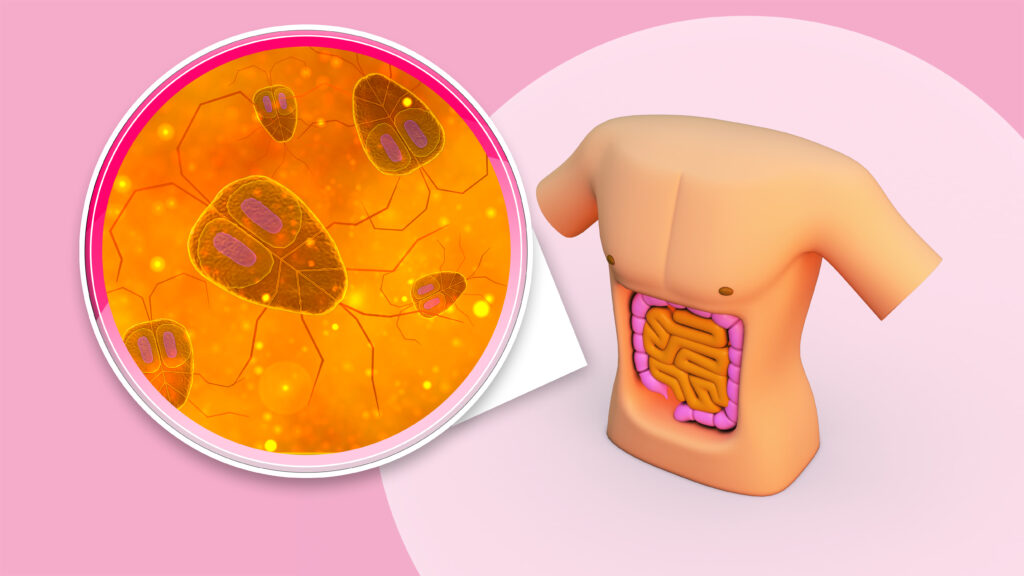
Processed foods in the Western diet can make psoriasis worse by causing microbial dysbiosis and inflammation4. Changing your diet can help improve your gut health. You can see big changes in your gut bacteria in just 24 to 48 hours after making dietary changes4.
The gut-skin axis is a complex relationship between your digestive system and skin. It’s key in managing psoriasis. By improving your gut health, you can reduce the severity and frequency of psoriasis flare-ups45.
psoriasis flare ups: a gut issue
Your gut health is key to controlling psoriasis flare-ups6. An imbalance in your gut microbiome can send signals to your skin, leading to inflammation. This inflammation can cause a psoriasis flare-up, making gut health crucial for clear skin and overall health6. Improving your gut health benefits not just your digestion but also your skin.
Studies show a strong connection between gut imbalance and psoriasis6. A 2015 study found psoriasis is 8 times more common in those with Crohn’s disease6. It also noted that 10% of Crohn’s disease patients have a family history of psoriasis6. A 2018 study found that people with psoriasis are more likely to have inflammatory bowel diseases like Crohn’s and ulcerative colitis6. This shows the importance of addressing gut issues to manage psoriasis.
The connection between gut health and psoriasis goes beyond just inflammatory bowel diseases7. People with psoriatic arthritis are more likely to have IBD, with 30% of those with both conditions also having IBD7. Those with psoriasis are at higher risk for Crohn’s disease, and vice versa7. This shared genetic and inflammatory pathway highlights the need for a holistic approach to managing both conditions.
Gut health’s impact on psoriasis flare-ups is not limited to inflammatory bowel diseases8. Guttate psoriasis, affecting about 2% of psoriasis cases, is linked to autoimmune disorders and bacterial infections8. Around 8% of psoriasis patients develop guttate psoriasis, and one-third may progress to a chronic form8. Addressing gut health issues is crucial for managing psoriasis flare-ups and improving overall well-being.
| Condition | Prevalence in Psoriasis |
|---|---|
| Crohn’s Disease | 0.4%6 |
| Ulcerative Colitis | 0.5%6 |
| Celiac Disease | 2%6 |
| Psoriatic Arthritis with IBD | 30%7 |
| Guttate Psoriasis | 2% of all psoriasis cases8 |
Understanding the link between gut health and psoriasis helps you manage your condition better. Addressing gut dysbiosis, inflammatory bowel diseases, and other gut-related factors can be a powerful tool for clearer, healthier skin.
Dietary Considerations for Psoriasis and Gut Health
Your diet is key to keeping your gut healthy and managing psoriasis. Eating too much sugar, fat, and inflammatory foods can upset your gut’s balance and make psoriasis worse9. But, following an anti-inflammatory diet, like the Mediterranean diet, might help improve your condition10.
The Impact of Diet on Gut Health and Psoriasis
Removing dairy from your diet can help some people with psoriasis, as it can cause inflammation10. Foods high in refined carbs, saturated fats, and trans fats can also increase inflammation and worsen psoriasis symptoms10.
Research shows that people with psoriasis are more likely to have celiac disease, which means some may react badly to foods like wheat or nuts10. So, it’s important to watch how your body reacts to different foods and find out which ones might trigger your psoriasis.
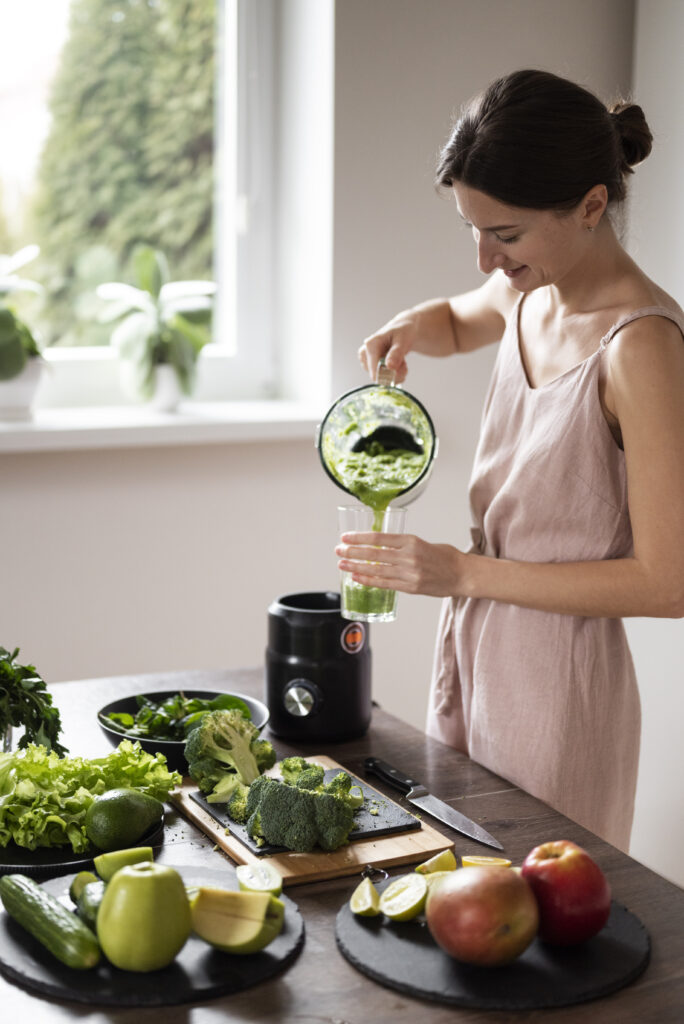
On the bright side, a Mediterranean diet full of fiber, whole grains, and fruits and vegetables can lower chronic inflammation. This is good news for people with psoriasis10.
| Inflammatory Foods to Avoid | Anti-Inflammatory Foods to Embrace |
|---|---|
|
|
While changing your diet can greatly improve your gut health and psoriasis, it’s crucial to talk to a healthcare professional. They can help create a treatment plan that fits your specific needs.
Traditional vs. Holistic Approaches to Psoriasis Treatment
Managing psoriasis can be done in two ways: traditional and holistic. Traditional treatments aim to reduce symptoms like itchy, inflamed skin. They use creams, light therapy, and medicines11. But, they often don’t tackle the root cause of the problem.
Holistic therapies, however, focus on the whole person. They consider diet, lifestyle, and overall health. Hyperbaric Oxygen Therapy (HBOT) and Red Light Therapy are two holistic methods that help improve symptoms11. HBOT uses pure oxygen to reduce inflammation and aid healing11. Red Light Therapy uses light to stimulate healing and reduce inflammation safely11.
Many people with psoriasis also find relief in natural remedies12. Herbal treatments like Oregon grape, indigo naturalis, and Aloe vera are effective12. These options are appealing for those looking for a gentler approach.
| Traditional Psoriasis Treatments | Holistic Psoriasis Treatments |
|---|---|
|
|
The choice between traditional and holistic treatments depends on personal needs and preferences13. It’s important to talk openly with healthcare providers. This way, patients can create a treatment plan that works for them13.
Conclusion
The connection between gut health and psoriasis flare-ups is key in managing this chronic skin issue. Understanding the gut-skin axis and how gut dysbiosis can trigger and worsen psoriasis symptoms is important. This knowledge helps people take steps to improve their digestive health and get clearer, healthier skin14.
Following an anti-inflammatory diet is a good start. This diet should be high in fiber and low in foods that cause inflammation. It helps balance the gut microbiome14. Also, trying holistic therapies like Hyperbaric Oxygen Therapy (HBOT) and Red Light Therapy can be a natural way to reduce inflammation and improve skin health in those with psoriasis14.
By taking a holistic approach to health, people with psoriasis can find lasting relief and improve their overall quality of life. Working with healthcare professionals to tackle the gut-related factors behind their condition is empowering. It helps them manage their psoriasis flare-ups and find a better balance between their skin and digestive system141516.
FAQ
What is the link between gut health and psoriasis?
What is the gut-skin axis and how does it affect psoriasis?
How does gut dysbiosis contribute to psoriasis flare-ups?
How can diet affect gut health and psoriasis?
What are some holistic therapies that can help manage psoriasis?
Source Links
- Psoriasis and Digestive Problems: What’s the Link? – https://www.webmd.com/skin-problems-and-treatments/psoriasis/psoriasis-digestive-disorders
- Psoriasis and Digestive Health – Longevity Healthcare – https://longevityhealthcare.com/psoriasis-gut-health-connection/
- Leaky Gut Syndrome and Psoriasis: What’s the Connection? | MyPsoriasisTeam – https://www.mypsoriasisteam.com/resources/leaky-gut-syndrome-and-psoriasis-whats-the-connection
- The Role of the Gut Microbiome in Psoriasis: From Pathogens to Pathology – https://www.ncbi.nlm.nih.gov/pmc/articles/PMC8970207/
- Gut Microbiota in Psoriasis – PMC – https://www.ncbi.nlm.nih.gov/pmc/articles/PMC9321451/
- How Psoriasis Can Affect the Digestive System – https://www.healthline.com/health/psoriasis/digestive-system-effects
- Psoriatic arthritis and digestive issues – https://www.medicalnewstoday.com/articles/psoriatic-arthritis-and-digestive-issues
- Guttate Psoriasis: Causes, Symptoms, and Treatment – https://www.webmd.com/skin-problems-and-treatments/psoriasis/guttate-psoriasis
- Nutritional Therapy in Persons Suffering from Psoriasis – https://www.ncbi.nlm.nih.gov/pmc/articles/PMC8747310/
- Psoriasis Diet: Foods to Eat and Avoid If You Have Psoriasis – https://www.hopkinsmedicine.org/health/conditions-and-diseases/psoriasis-diet-foods-to-eat-and-avoid-if-you-have-psoriasis
- Psoriasis – Diagnosis and treatment – https://www.mayoclinic.org/diseases-conditions/psoriasis/diagnosis-treatment/drc-20355845
- Herbs for psoriasis: Which herbal remedies are best? – https://www.medicalnewstoday.com/articles/324270
- Psoriasis Treatments: How to Get Rid of Psoriasis – https://www.webmd.com/skin-problems-and-treatments/psoriasis/understanding-psoriasis-treatment
- The Gut-Skin Connection: How Gut Health Impacts Psoriasis – https://hyperbaricwellnesscenter.com/the-gut-skin-connection-how-gut-health-impacts-psoriasis/
- Psoriasis and Gut Microbiome—Current State of Art – https://www.ncbi.nlm.nih.gov/pmc/articles/PMC8123672/
- Frontiers | Skin and Gut Microbiome in Psoriasis: Gaining Insight Into the Pathophysiology of It and Finding Novel Therapeutic Strategies – https://www.frontiersin.org/journals/microbiology/articles/10.3389/fmicb.2020.589726/full